| Key Takeaways |
|---|
| Bideford is a charming coastal town located in North Devon. |
| The town offers picturesque views of the River Torridge. |
| The neighbouring village of Instow is also worth a visit. |
| The neighbouring village of Instow is also worth a visit. |
| Bideford is rich in history and natural beauty. |
| The North Devon coast is a hidden gem for travellers looking for a unique experience. |
Brief overview of Bideford
Bideford, a historic port town situated in North Devon, England, is known for its remarkable coastline and lush countryside. The town is surrounded by an incredible variety of habitats and environments, all of which support diverse wildlife and rich ecosystems. You can find out more about Bideford and its attractions here.
Importance of biodiversity and wildlife
Biodiversity is the variety of life on Earth, and it plays a critical role in sustaining our planet’s ecosystems. A healthy, diverse environment provides essential resources such as oxygen, clean water, and fertile soil, all of which support human life. Wildlife also plays a significant role in maintaining a balanced ecosystem, which in turn promotes overall environmental health.
Thesis
Bideford offers a unique and diverse wildlife experience that needs to be analyzed, promoted, and protected in order to preserve its ecosystem and maintain the natural beauty of the area.
Bideford’s Rich Ecosystem
Overview of Bideford’s Ecosystems
Coastal areas
Bideford’s stunning coastline features a unique array of habitats that support an abundance of marine life and bird species. The shores are dotted with coves, rocky outcrops, and sandy beaches, all offering ideal conditions for various species to thrive.
Woodlands
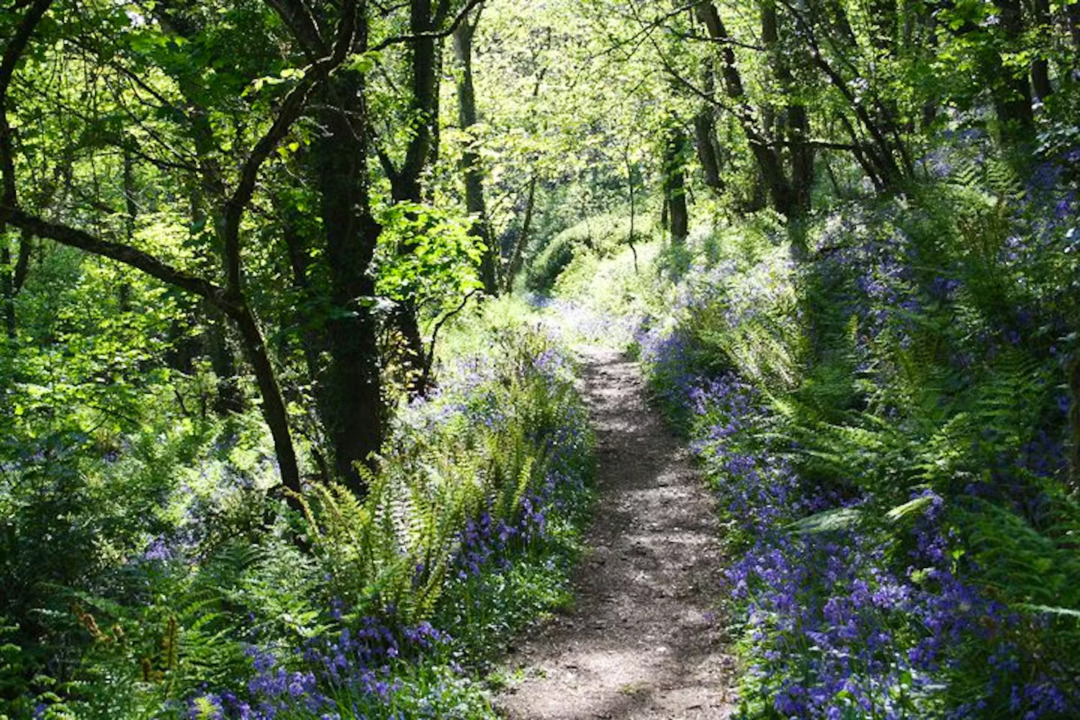
The area around Bideford is home to dense woodlands teeming with diverse plant and animal species. These forests are crucial for maintaining air quality, purifying water, and providing habitats for countless species.
Grasslands
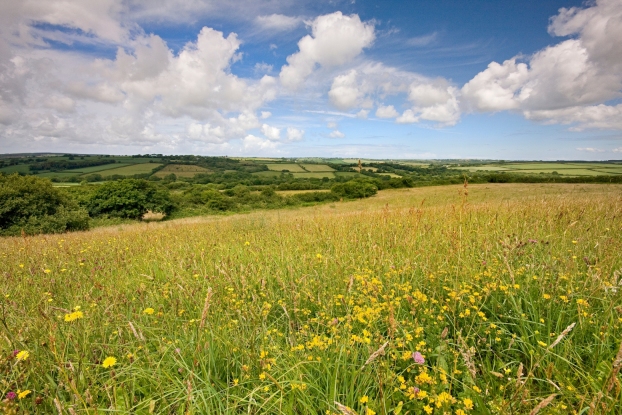
Grasslands in Bideford, such as Hartland Moor National Nature Reserve, are home to an exceptional array of wildflowers, invertebrates, and bird species. These important habitats play a key role in the overall health of the environment, while also providing a captivating natural landscape for visitors to explore.
Key species in Bideford’s ecosystems
Flora
Bideford’s vegetation is diverse, with notable plants such as rare ferns and lichen found in the woodlands, and a vast array of wildflowers flourishing in the grasslands.
Fauna
From coastal bird species to woodland mammals and grassland invertebrates, Bideford boasts an impressive array of wildlife. Common animal species in the area include seabirds, deer, bats, butterflies, and various small mammals.
Coastal Areas of Bideford

Tarka Trail location and significance
The Tarka Trail is a popular walking and cycling route in Bideford that spans over 180 miles. Named after the fictional otter from Henry Williamson’s novel, “Tarka the Otter,” the trail offers visitors a chance to explore Bideford’s awe-inspiring coastline while learning about the area’s wildlife and habitats.
Maritime life
Bideford’s coastal waters are teeming with diverse marine life, including various species of fish, seals, and dolphins, which can often be spotted off the shores. The coastline also provides nesting sites for seabirds, such as gulls, fulmars, and guillemots.
Bird species along the coast
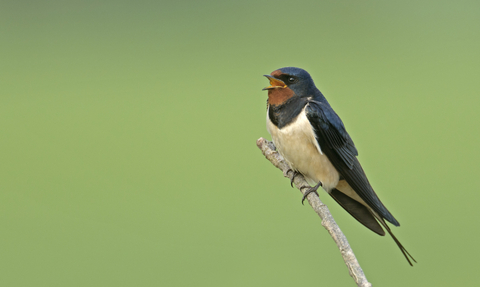
Bideford’s coastal areas host a wide variety of bird species both native and migratory; some of the most common are oystercatchers, cormorants, and various species of gulls.
The role of the Westward Ho! Pebble Ridge in protecting wildlife
The Westward Ho! Pebble Ridge is a natural barrier between the sea and the Northam Burrows Country Park. This unique geological feature serves as a crucial habitat for native plants and nesting birds, while also providing protection from coastal erosion and flooding.
Woodlands in Bideford
Brownsham Woods
Brownsham Woods is a beautiful woodland area in Bideford that is rich in biodiversity. Trails running through the woods offer visitors the chance to enjoy the serene environment and explore various tree and plant species along the way.
Species living in the woodlands
Woodland creatures such as deer, squirrels, and a range of bird species are common inhabitants in Bideford’s forests. The area’s diverse vegetation, including rare ferns and lichen, plays a significant role in supporting these animal populations.
Importance of woodland management
Proper woodland management practices, such as sustainable forestry and habitat restoration, are essential for maintaining the health and diversity of Bideford’s forests. These efforts not only protect the wildlife that depends on these habitats but also preserve their ecological importance and natural beauty.
Bideford’s rare ferns and lichen
Bideford’s woodlands are home to an extraordinary variety of rare ferns and lichen species, which are crucial indicators of the area’s overall environmental health. These sensitive plants provide important insights into the effects of pollution, climate change, and habitat degradation on local ecosystems.
Grasslands in Bideford
Hartland Moor National Nature Reserve
Hartland Moor National Nature Reserve is a vast expanse of grassland in Bideford that supports numerous wildflower species, birdlife, and invertebrates. The reserve is a vital habitat for a variety of flora and fauna and serves as an essential component of the area’s overall biodiversity.
Wildflower species in grasslands
Bideford’s grasslands are renowned for their stunning displays of wildflowers, which provide critical resources and habitats for pollinators such as bees, butterflies, and other insects. Wild orchids, common spotted-orchids, and various types of heather are just a few examples of the many wildflower species found in these habitats.
Davenport Wood and its Significance
Davenport Wood is a notable woodland-grassland hybrid habitat in Bideford that supports a diverse range of flora and fauna, including several nationally scarce species. The unique combination of woodland and grassland habitats within the reserve provides vital resources for numerous animal and plant species.
Invertebrates and their Role in the grassland ecosystems
Invertebrates such as butterflies, beetles, and spiders play crucial roles in maintaining the health and balance of Bideford’s grassland ecosystems. They are essential for pollination, nutrient cycling, and natural pest control, which, in turn, supports healthy plant growth and overall ecosystem function.
Bideford’s Wildlife Conservation Efforts
Local organizations promoting biodiversity
Various local organizations, such as the Devon Wildlife Trust and the North Devon Biosphere Reserve, work tirelessly to promote and protect Bideford’s biodiversity through initiatives like habitat restoration, public education, and community engagement.
Government Agencies and their role in wildlife conservation
Government agencies, including Natural England and the Department for Environment, Food, and Rural Affairs (DEFRA), play key roles in wildlife conservation in the Bideford area, as they enforce environmental policies, allocate funding for conservation efforts, and provide essential resources and expertise.
Importance of public education and awareness campaigns
Public education and awareness campaigns are crucial for encouraging local people and visitors alike to appreciate and protect Bideford’s rich biodiversity. By fostering a sense of stewardship and responsibility, these initiatives empower citizens to become active participants in conservation efforts and protect the delicate ecosystems that make the region so unique.
Threats to Bideford’s Biodiversity
Anthropogenic factors: urbanization, pollution, and tourism
Human activities such as urbanization, pollution, and tourism can have significant impacts on Bideford’s ecosystems, leading to habitat loss and degradation, and placing vulnerable species at risk. For example, improper waste disposal can contaminate vital water sources, while unsustainable tourism practices can damage delicate ecosystems and disrupt the local food chain.
Climate change and its effects on Bideford’s ecosystems
Climate change is altering global weather patterns and threatens Bideford’s ecosystems through rising sea levels, extreme weather events, and changes in the distribution and abundance of plant and animal species. These changes can have far-reaching consequences for the overall health and balance of the area’s environment.
Invasive species and their impact on native flora and fauna
Invasive species, such as Japanese knotweed and non-native beetles, can outcompete native plants and animals for resources, leading to a loss of biodiversity and imbalances in local ecosystems. Left unchecked, invasive species can permanently alter the composition and function of Bideford’s habitats.
Strategies to Preserve and Enhance Bideford’s Biodiversity
Habitat protection and restoration
Preserving and restoring Bideford’s diverse habitats is essential to maintaining the area’s biodiversity. Initiatives like reforestation, wetland restoration, and coastal management efforts can help counteract habitat loss and empower native plant and animal species to thrive.
Ecotourism
Ecotourism, or responsible travel that focuses on the conservation of the environment and the well-being of local communities, can serve as a sustainable alternative to traditional tourism. By promoting ecotourism, Bideford can showcase its unique biodiversity while minimizing the negative impacts of tourism on local habitats and species.
Sustainable development practices
Implementing sustainable development practices in Bideford, such as green construction, renewable energy, and responsible waste management, can significantly reduce the environmental impact of local industries and help protect the region’s ecosystems.
Community involvement and public education efforts
Engaging local communities in conservation efforts and providing resources and education on the importance of biodiversity is key to promoting long-term environmental stewardship. By fostering a sense of responsibility and pride in the local environment, Bideford can safeguard its unique habitats and species for generations to come.
Conclusion
Recap of the importance of biodiversity and wildlife in Bideford
Bideford’s diverse ecosystems and abundant wildlife not only contribute to the area’s breathtaking natural beauty but also support valuable ecosystem services. Ensuring the long-term health of these habitats is essential for maintaining a balanced environment and providing vital resources for wildlife and humans alike.
Urgency to preserve and protect Bideford’s unique habitats and species
Given the growing threats to biodiversity, including climate change, pollution, and habitat degradation, urgent action is needed to safeguard Bideford’s unique habitats and species. Protecting and enhancing the region’s biodiversity is vital for preserving its natural heritage and ensuring a sustainable future for all inhabitants.
Call-to-action to engage citizens, organizations, and government in conservation efforts
Collaborative efforts among citizens, local organizations, and government agencies are essential to adequately preserve and protect Bideford’s ecosystems. Through effective cooperation and a shared commitment to conservation, the combined efforts of all stakeholders can make a significant impact on maintaining the area’s rich biodiversity for generations to come.
Frequently Asked Questions
- Q: What is the Tarka Trail?
A: The Tarka Trail is a 180-mile walking and cycling route in Bideford that offers visitors a chance to explore the area’s coastline while learning about the local wildlife and habitats. - Q: What kind of marine life can be found off the shores of Bideford?
A: Bideford’s coastal waters are home to various species of fish, seals, and dolphins, and provide nesting sites for seabirds like gulls, fulmars, and guillemots. - Q: What kind of bird species can be found along Bideford’s coast?
A: Bideford’s coastal areas host a wide variety of bird species both native and migratory, with oystercatchers, cormorants, and various species of gulls being some of the most common. - Q: Why is the Westward Ho! Pebble Ridge important?
A: The Westward Ho! Pebble Ridge serves as a natural barrier between the sea and the Northam Burrows Country Park, providing a crucial habitat for native plants and nesting birds, while also offering protection from coastal erosion and flooding. - Q: What kind of wildlife can be found in Bideford’s forests?
A: Bideford’s forests are home to various animal species such as deer, squirrels, and a range of bird species, which depend on the diverse vegetation, including rare ferns and lichen, for their survival. - Q: Why is woodland management important for Bideford’s ecosystems?
A: Proper woodland management practices such as sustainable forestry and habitat restoration are essential for maintaining the health and diversity of Bideford’s forests, which protect the wildlife that depends on these habitats and preserve their ecological importance and natural beauty. - Q: What is Hartland Moor National Nature Reserve?
A: Hartland Moor National Nature Reserve is a vast expanse of grassland in Bideford that supports numerous wildflower species, birdlife, and invertebrates, serving as an essential component of the area’s overall biodiversity. - Q: How can Bideford preserve and enhance its biodiversity?
A: Bideford can preserve and enhance its biodiversity through initiatives such as habitat protection and restoration, ecotourism, sustainable development practices, and community involvement and public education efforts.

Our newsletter is packed with helpful tips and resources to help you mazimise your time in & around Bideford. Sign up now and join our community of savvy Bideford’ers.

About the Author
Welcome to Bideford.com! I’m Jason Jr, a seasoned explorer and avid fan of Bideford and the broader North Devon area. With over a decade of consistent family visits, virtually every weekend, I’ve immersed myself in the rich history and vibrant culture Bideford & North Devon.
On this site, you’ll find a wealth of knowledge amassed from my adventures here. From in-depth local guides to engaging blog posts about Bideford. Whether you’re looking for recommendations on things to do or guidance on where to stay we have you covered. Join me as we delve into the heart of Bideford, North Devon – a town that’s more than just a destination, but an experience waiting to be discovered.
Do you want to see your favourite Bideford attraction, place to stay, event or activity listed here? Contact Us!